






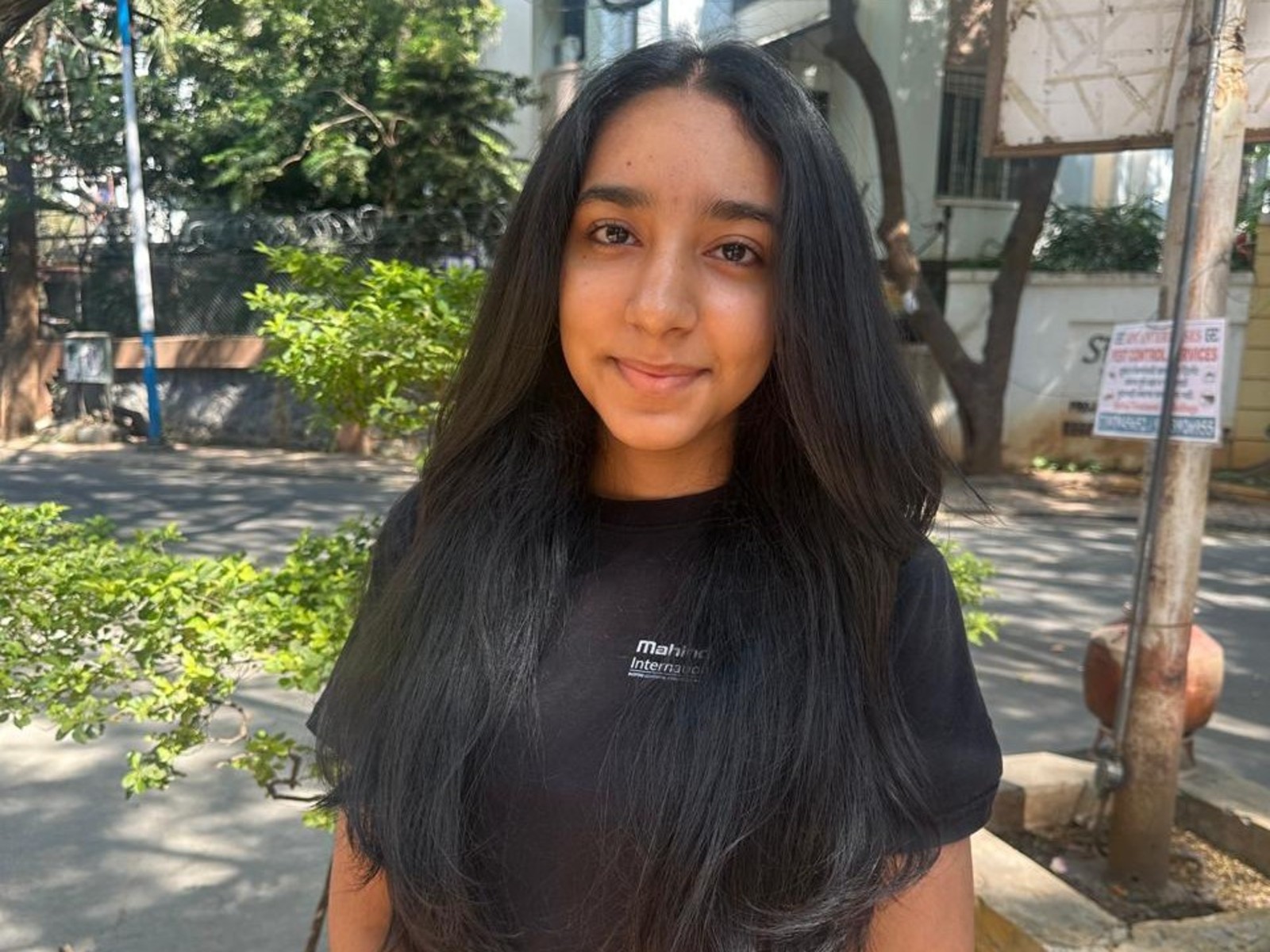
Pune student creates recovery companion for burn & acid-injury survivors
When Sia Domkundwar, a class XI student at Mahindra International School in Pune, began researching burn and acid injury recovery, she was struck not by the complexity of the medical literature but by the almost total absence of practical guidance for survivors once they leave hospital. There was no resource that told a woman with grafted skin which moisturiser was safe, which fabrics would not aggravate healing tissue, or whether and how she could wear makeup again without risking infection. Survivors were expected to figure this out on their own.
Domkundwar, who grew up with a deep interest in biochemistry and skincare, spent a year and a half developing the Glow Guide, a practical companion for burn and acid injury survivors navigating daily life post-discharge. The research process involved conversations with eight survivors and multiple doctors, nail technicians, and other specialists, in addition to her own investigation into the biology of burn-injured skin. Her primary partner in reaching survivors was the Chhanv Foundation, a Delhi-based NGO that supports acid attack survivors.
The comprehensive guide covers daily skincare and barrier repair, hair and scalp care, nail and hand care, clothing and fabric choices for healing skin, hygiene, nutrition that supports wound recovery, and cosmetic safety.
An ingredient decoder helps survivors parse product labels without specialist knowledge. The guide also addresses recovery tools, from prosthetics to adaptive makeup techniques for survivors whose hand mobility has been affected. It closes with a Glow Directory: a curated, survivor-vetted list of products, professionals, and support organisations.
What distinguishes the Glow Guide from a standard medical pamphlet is its explicit acknowledgement that recovery is not only physical. Domkundwar includes a note in the makeup removal section that few clinical resources would consider: if the process feels heavy or triggering, take a break. Every section opens with the same assurance that the reader does not have to move through the material in sequence, or at all, until they are ready.
This framing came directly from the women she spoke with during her research, many of them from smaller towns and villages where neither family nor community could offer guidance on post-injury care. One survivor, speaking to Domkundwar through the Chhanv Foundation, put the stakes plainly. Every girl wants to look beautiful, she said. When you are able to do your makeup or take care of yourself, you feel confident. You feel good inside knowing that you can also try.
The Glow Directory is designed as a living document, intended to grow as more survivor voices and vetted resources are added. Physical copies of the guide will be distributed to NGOs across India and placed in the burn units of hospitals. It is also accessible online.
Glow Guide tackles a challenge that medicine alone does not solve: the uncertain transition from hospital discharge to daily life. It is a gap that burn and acid injury survivors have faced for decades, often without guidance or support. Domkundwar has spent the last 18 months trying to change that.
Click here to access Glow Guide.
Also read: Amrita University Ranked 37th Globally in THE Sustainability Impact Ratings 2026








Add comment