






Why India’s Gen Z will lead the next learning revolution
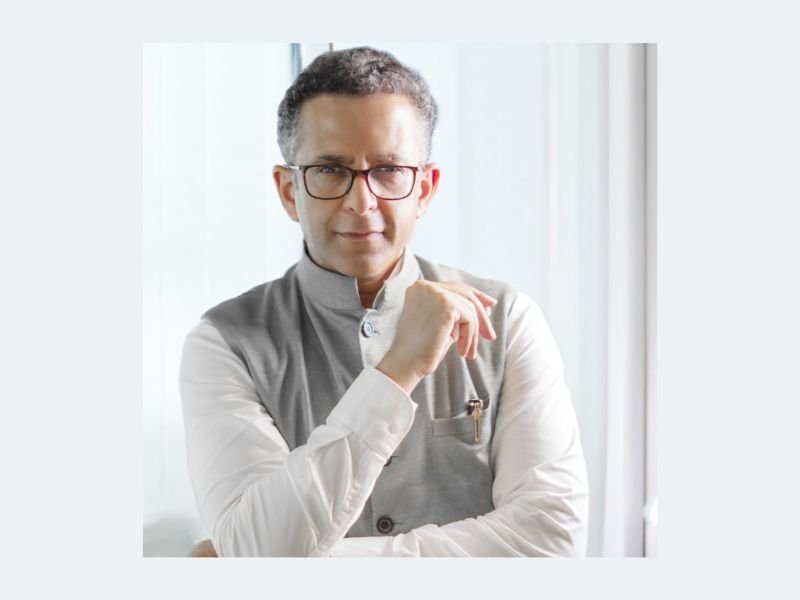
– Gaurav Bhagat, Founder, Gaurav Bhagat Academy
India is on the brink of an education revolution. However, this transformation is not only about new classrooms or new curricula. It is being driven by the evolving minds of a new generation of learners. The learning habits, cognitive approaches, and inherent adaptability of Gen Z are reshaping not just how learning happens, but why learning matters.
As Gen Z in India enters the workforce and begins stepping into leadership roles, their learning mindsets are triggering radical shifts in professional and educational ecosystems. Unlike previous generations that followed a structured path—education, degree, then job—Gen Z is rewriting the rules. They are not merely planning for the future; they are actively building it.
One of the most defining traits of India’s Gen Z is their commitment to lifelong learning. According to a Udemy report, a staggering 98% of Gen Z students in India dedicate at least one hour every week to learning. This reflects not just ambition, but a deep-rooted belief in continuous self-improvement.
Skill acquisition is no longer a passing trend. For Gen Z, learning is embedded into everyday life and professional strategy, rather than being treated as an occasional or reactive necessity.
Hands-On Experience Over Traditional Credentials
Gen Z in India places high value on practical, hands-on learning. The 2025 Deloitte Global Gen Z and Millennial Survey reports that over 94% of Gen Z respondents value real-world experience more than theoretical knowledge, with career opportunities and education ranking among the top factors influencing employment decisions.
At the same time, many young professionals are questioning the relevance of traditional education models in a rapidly evolving job market. More than one-third of Gen Z respondents expressed concerns about the cost of education, while 52% were dissatisfied with its quality.
This marks a sharp departure from earlier generations, who largely depended on formal education as the primary pathway to opportunity. Gen Z believes learning paths should be diverse, flexible, and dynamic.
Gen Z in India is not just learning more—they are learning smarter. A 2025 Deep Skilling and Upskilling Report reveals that 54% of Gen Z workers are actively developing data and artificial intelligence (AI) skills, while 61% say that upskilling influences their decision to stay with a current employer.
Additionally, 63% of recent graduates—a key subset of Gen Z—are actively seeking new learning opportunities, many of which focus on emerging technologies like AI.
These trends highlight Gen Z’s readiness to lead in domains that will define the next decade, especially in sectors where India aims to establish global leadership.
Another striking insight from the same study shows that 66% of Gen Z respondents feel confident that their skills will remain relevant over the next five years. In comparison, only 48% of millennials and 36% of Generation X share that confidence.
This is more than optimism—it reflects a belief in adaptability. Gen Z understands that continuous learning and flexibility are not just survival tools, but long-term strategies for influencing fast-changing industries.
Bridging the Skills Gap and Redefining Value
India continues to face challenges related to employability and industry-ready skills. National reports consistently highlight that only a small proportion of the workforce possesses formal training aligned with current industry needs.
Gen Z’s learning habits offer a powerful solution. Their preference for online education, self-directed learning, and technology-driven skill development positions them to bridge talent gaps in high-growth sectors—particularly in technology, data, and AI—where traditional academic models have struggled to keep pace.
As digital natives, Gen Z gravitates naturally towards online, flexible, and personalized learning formats. The rapid growth of online learning platforms reflects their demand for education that fits seamlessly into their lifestyles.
This shift is part of a larger digital education revolution in India—one that has made learning accessible, on-demand, and aligned with real-world market needs in ways previously unimaginable.
Leading a Learning Culture Shift
India’s Gen Z is poised to drive a broader cultural shift in learning. Their emphasis on experiential education, continuous professional development, and multidisciplinary growth is laying the foundation for a knowledge-driven decade ahead.
This transformation will not only reshape individual careers but also redefine the Indian workforce, enhancing the country’s global competitiveness through innovation and skill depth.
As India navigates the challenges and opportunities of a digital and AI-driven future, one truth stands out: Gen Z will not merely adapt to change—they will shape it through learning.
This learning revolution is already underway. The leaders and change-makers of tomorrow are those who never stop learning, who continuously educate themselves across disciplines, and who remain curious about the future.
And that is the true power of India’s Gen Z.
Also Read: The Study Abroad Reset: What Changed in 2025








Add comment