






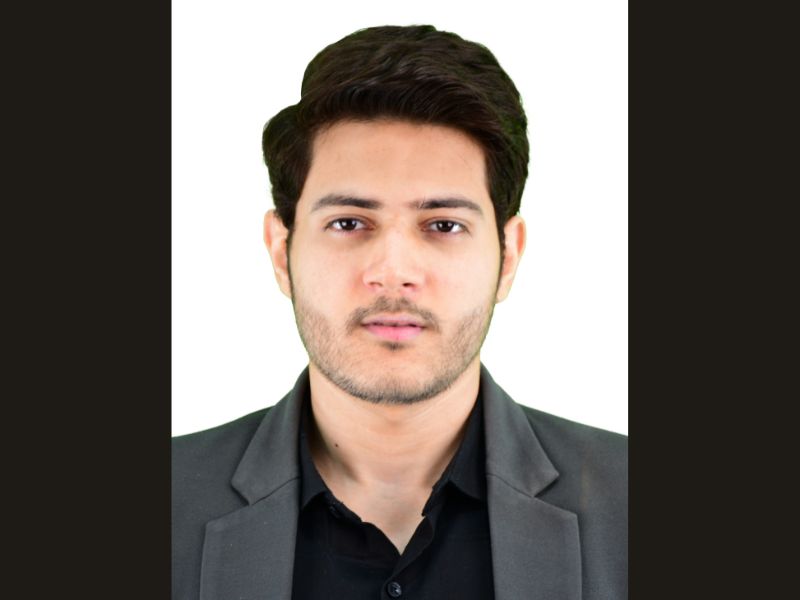
Why Is India’s Higher Education System Struggling to Support First-Generation Researchers?
– Gitesh Gupta, Group CEO & Vice Chairman of Aimlay
From academic to bureaucratic and regulatory hurdles, first-generation researchers face a multiplicity of challenges that India’s higher education system is still struggling to address.
Over the last three decades, Indian higher education has expanded rapidly in both scale and visibility. There are more universities, research institutions, doctoral programmes, and students enrolling in higher education than ever before. Yet, despite this expansion, a less visible issue persists: the system is not doing enough to adequately support first-generation aspirants seeking to pursue research careers.
Hidden Academic Curriculum: One of the biggest challenges for researchers who are the first in their families to attend university is navigating the “hidden curriculum” of academia. Success in research depends not only on subject knowledge but also on skills and norms that are rarely formally taught. These include identifying supportive supervisors, securing research funding, publishing in reputable journals, networking at conferences, and building professional connections.
Students from academic families often receive informal guidance about these processes. In contrast, first-generation scholars must figure out these unwritten rules on their own. Additionally, undergraduate programmes in India are largely examination-focused, offering limited early exposure to research practices. As a result, many first-gen students enter postgraduate research without a clear understanding of how the academic ecosystem functions.
Effective mentorship can bridge this gap, but many Indian institutions struggle to provide consistent guidance. Faculty shortages, heavy teaching loads, and administrative responsibilities leave supervisors with limited time for personalised mentoring. This challenge is particularly acute in state universities, where a large number of first-generation researchers pursue higher studies.
Even well-meaning supervisors may unintentionally provide greater support to students who already understand academic norms — those who know how to frame questions, draft professional emails, and present their research confidently. First-gen scholars, unfamiliar with these expectations, may hesitate to seek help, further widening the gap.
Research is financially demanding, yet stipends and fellowships often fail to match the rising cost of living. Delayed disbursement of fellowships is not uncommon, and institutional emergency funds are limited. For first-generation researchers from modest backgrounds, financial instability is not a temporary inconvenience but a constant source of anxiety.
Many scholars contribute to their family’s income or lack a financial safety net. This pressure may compel them to take up additional work, extend their degree timelines, or reduce the time devoted to research. The cumulative effect can impact both academic performance and long-term career prospects.
Institutional Bias and Cultural Distance: Indian higher education institutions often reflect entrenched cultural and linguistic hierarchies. English-dominant academic spaces, elite conference circuits, and informal networking systems can alienate scholars from rural or non-metropolitan backgrounds. First-generation researchers frequently report feelings of exclusion and may experience imposter syndrome over time.
Moreover, premier institutions such as IITs and IIMs receive significantly greater funding and visibility. Meanwhile, many state and regional universities — where a substantial proportion of first-gen researchers are enrolled — continue to struggle with limited resources and infrastructure. This uneven distribution of support further compounds systemic inequities.
The National Education Policy (NEP) 2020 acknowledges the need for inclusivity, interdisciplinary learning, and stronger research ecosystems. While the policy outlines progressive goals, implementation has been uneven across institutions due to structural and administrative challenges.
Experts argue that meaningful reform requires not only well-articulated policies but also sustained financial investment and institutional accountability. Dedicated mentoring frameworks, research training programmes, and structured support systems are essential to ensure that first-generation scholars receive guidance throughout the research lifecycle.
Psychological Toll: Beyond structural barriers, first-generation researchers face significant emotional pressures. Many feel an intense responsibility to succeed, as their achievements often represent upward mobility for their families. At the same time, they may encounter scepticism about the viability of long-term research careers, particularly in families unfamiliar with academic pathways.
Balancing familial expectations with the demands of rigorous research can lead to stress, anxiety, and burnout. The combined burden of financial insecurity, cultural adjustment, and performance pressure increases the risk of attrition among first-gen scholars.
Supporting first-generation researchers is not about lowering standards; it is about ensuring equitable access to opportunity. Structured mentorship, timely financial assistance, transparent evaluation systems, and peer support networks can significantly improve outcomes.
Writing workshops, research methodology training, and exposure to academic conventions can demystify the hidden norms of academia. If India aspires to become a global knowledge leader, it must broaden its research base by enabling capable scholars from diverse backgrounds to thrive.
Also Read: Student Mental Health Care Is No Longer Optional in Indian Higher Education










Add comment