






R.N. Mohanty: Advancing Inclusive Eye Health in India
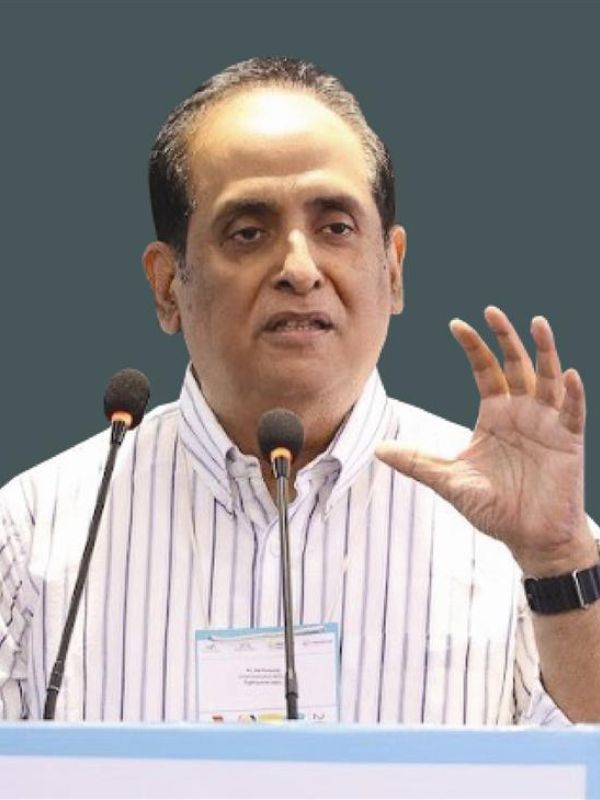
– Sandeep Sen
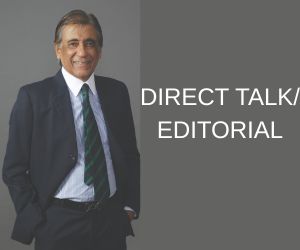
R.N. Mohanty is the CEO of Sightsavers India, a leading development-sector professional who has spent over three decades working to reduce avoidable blindness and promote inclusion for people with disabilities. He entered the sector in the late 1980s “to test the waters” for a year, but rigorous fieldwork on malnutrition, food security, and poverty shifted his sense of purpose and rooted him in community-centric development for the long term. Those early years shaped his core values: working alongside communities to build solutions rather than imposing them, stewarding programme funds with deep responsibility, and valuing the quiet fulfilment of purposeful work over material gain.
At Sightsavers India, Mohanty moved from a broad development canvas to what seemed like a narrower focus on eye health and disability, only to realise that a concentrated mandate could unlock faster, deeper change. With his team, he helped articulate a clear, time-bound vision: to work intensively in 100 districts over 10–12 years so that avoidable blindness is reduced and people with visual impairments can participate fully in social and economic life. He believes that eye health offers a powerful combination of urgency and tangibility – cataract surgeries, for example, can restore sight and livelihoods almost overnight – making it possible to demonstrate concrete impact while still engaging with complex social realities.
Newspeg: Under Mohanty’s leadership, Sightsavers India has recently crossed a landmark of screening 100 million people – 200 million eyes – since its registration in 1970. One flagship initiative is the nationwide truckers’ eye health programme, which has screened around one million truck drivers along the Golden Quadrilateral and key national corridors, providing spectacles to nearly 45 percent of them who needed corrective lenses. Today, the programme screens about 200,000–250,000 drivers every year, backed by a fully digitised system that allows drivers who lose their glasses to receive a replacement instantly at partner centres without repeat testing – an operational design that directly supports road safety and livelihood continuity.
Mohanty also emphasises Sightsavers India’s school eye health work, which targets children early to prevent avoidable visual impairment and its impact on learning. Data from the programme suggest that around four percent of school-going children have myopia, with over half of them unaware that they need glasses, often struggling silently with blurry blackboards and subsequent demotivation. Sightsavers India addresses this through teacher-led preliminary screening, professional refraction, provision of spectacles, peer champions, and parent engagement, while tracking academic indicators over several years and experimenting with myopia-control interventions in the critical 8–13 age group across whole districts.
Direct Talk: “What changed my life and purpose is the work and the kind of problems I saw in the field,” Mohanty reflects, noting that he entered the sector without a grand plan but stayed because of what lived realities taught him. He places strong emphasis on humility and co-creation: “the shift from assuming ‘I know what is good for you’ to recognising that ‘you know nothing about them without them’ and must design with, not for, communities.” He also stresses “a disciplined ethic around development finance – treating every rupee as ‘others’ money’ to be used judiciously – which, over time, has shaped his own personal habits and leadership style.”
For Mohanty, staying motivated in a slow-changing ecosystem rests on “micro wins.” While Sightsavers India celebrates major milestones, he believes that small, everyday successes – like a truck driver returning confidently to work with new glasses or a child finally able to see the board – are what truly sustain teams over years. “If you like your job, you work hard; if you don’t like your job, you work harder, you will like it,” he tells younger colleagues, coupling passion with patience and urging them not to expect social change “tomorrow morning.”
Future plans: Looking ahead, Mohanty stated, “My biggest aim is to become redundant”: a future where no one goes needlessly blind and people with disabilities have equal opportunities in every sphere of life, making Sightsavers India’s services unnecessary. To move toward that horizon, he is focused on deepening district-wide saturation in school and community eye health, strengthening digital systems, and building robust partnerships with communities, hospitals, NGOs, and state governments across education and health departments. He sees collaboration, passion, and patience as non-negotiable for the next generation of development professionals, urging young people to join the sector with a partnership mindset and a willingness to learn continuously from the communities they seek to serve.
Also Read: Steve Hardgrave: Financing India’s Low-Cost Schools for High-Impact Education







Add comment