






Why simulation-based training is becoming essential in India’s medical colleges
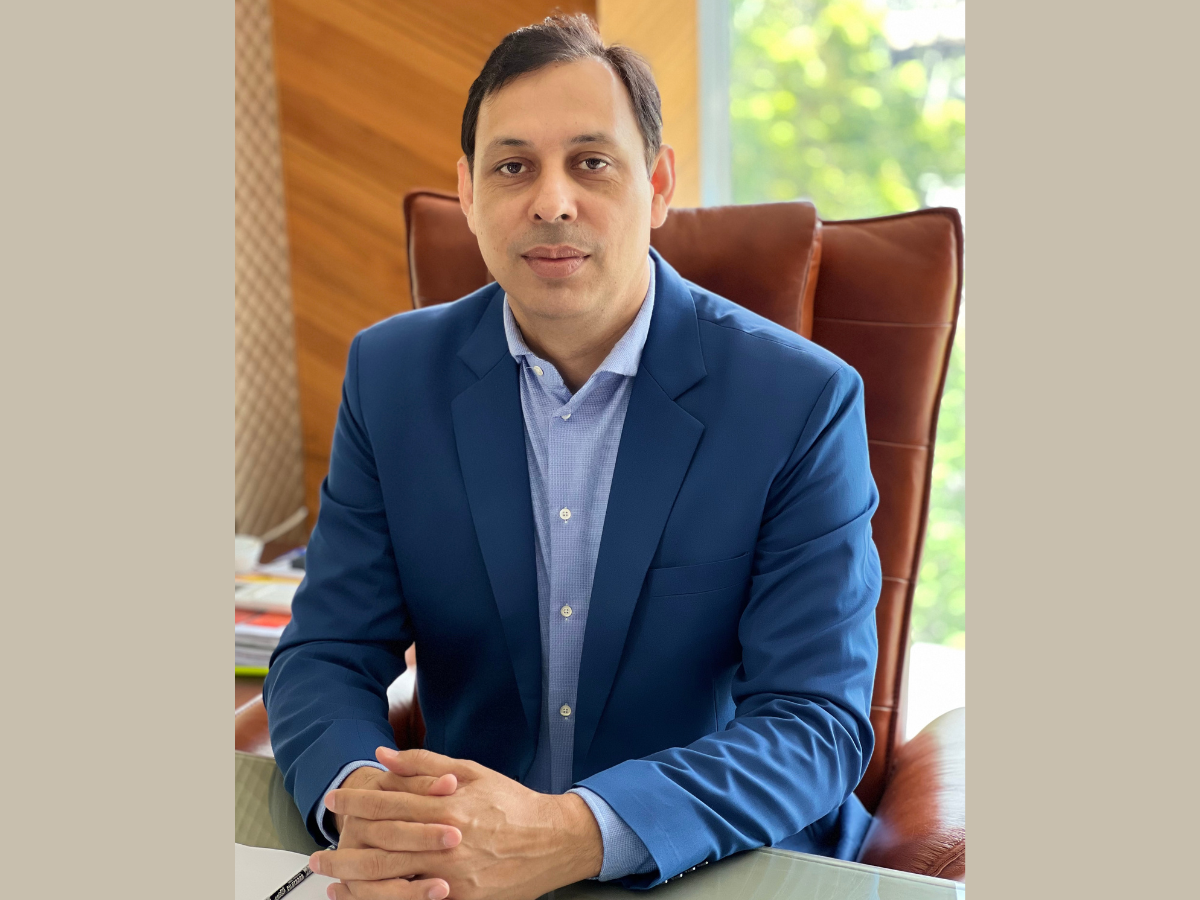
– Anuj Chahal, Founder & CEO of Maverick Simulation Solutions
For decades, clinical exposure has formed the foundation of medical education in India. However, healthcare delivery today is far more complex, technology-driven, and outcome-focused than it was even a decade ago. Medical institutions are now expected to produce graduates who can make accurate clinical decisions, respond effectively in emergencies, and ensure patient safety from the very beginning of their careers. This shift in expectations is fundamentally reshaping how healthcare professionals are trained.
In response, medical colleges, nursing institutes, and teaching hospitals across India are increasingly investing in simulation-based training. What was once considered supplementary infrastructure is now emerging as a core academic requirement. Simulation labs are helping bridge the gap between theoretical knowledge and real-world clinical readiness, ensuring that students are better prepared before they interact with patients.
One of the primary drivers of this transition is the growing need for skill standardisation. In traditional medical education, hands-on learning depends heavily on patient availability, case diversity, and hospital workload. As a result, two students graduating from the same institution may have vastly different levels of practical exposure. Simulation addresses this challenge by offering repeatable, controlled, and measurable training experiences.
Through simulation, students can practise essential clinical skills—such as airway management, CPR, trauma response, neonatal care, and surgical procedures—multiple times in a safe environment. This not only improves technical proficiency but also strengthens critical thinking and decision-making. Importantly, simulation enables objective assessment of competency, allowing educators to evaluate whether a student is truly prepared, rather than assuming proficiency based on observation alone.
This shift aligns closely with India’s competency-based medical education (CBME) framework introduced by the National Medical Commission. Under CBME, institutions are expected to demonstrate outcomes-based learning rather than relying solely on theoretical instruction. As accreditation frameworks evolve, colleges are increasingly being evaluated on clinical preparedness, competency delivery, and the quality of practical training. In this context, simulation labs are no longer optional—they are becoming essential to meeting academic and regulatory expectations.
Another major factor driving adoption is the reduced dependency on patient availability. While India’s hospitals see high patient volumes, opportunities for repeated student practice are often limited by ethical considerations, patient safety concerns, time constraints, and medico-legal risks. In high-pressure environments such as emergency departments and intensive care units, there is little room for trial-and-error learning.
Simulation-based training effectively addresses this limitation. It allows learners to make mistakes, repeat procedures, and refine their clinical judgement without compromising patient safety. This is particularly valuable in high-acuity specialties such as anaesthesia, emergency medicine, obstetrics, and critical care, where precision and confidence are essential.
Recent developments across the country reflect this growing emphasis on practical training. Many medical and dental institutions are integrating AI-enabled simulators and digital platforms into both undergraduate and postgraduate programmes. These technologies are expanding the scope of simulation, making training more immersive, adaptive, and scalable.
The urgency of this transformation is supported by data. A nationwide survey conducted by the Federation of All India Medical Association (FAIMA) revealed that only 44.1% of respondents reported having adequate skill labs in their institutions, while just 57.4% felt ready for independent clinical practice. These findings highlight a significant gap between theoretical education and real-world readiness—precisely the gap simulation-based learning aims to close.
Technology is playing a critical role in enhancing the effectiveness of simulation. AI-enabled systems can now generate dynamic patient responses, simulate complex clinical scenarios, and provide real-time feedback. Virtual reality is enabling immersive procedural training, while digital analytics allow faculty to track performance, identify skill gaps, and personalise learning pathways.
For institutions managing increasing student intake, these capabilities offer a significant advantage. Simulation makes it possible to deliver consistent, high-quality training at scale, without being constrained by patient availability or hospital workload. It also supports a more structured and data-driven approach to education.
However, the true value of simulation lies not just in the technology itself, but in how it is integrated into the academic ecosystem. Institutions that treat simulation merely as a compliance requirement often fail to realise its full potential. In contrast, those that embed simulation into the curriculum—through regular practice sessions, structured assessments, and faculty training—are seeing meaningful improvements in student outcomes.
Building a simulation-driven learning culture requires a shift in mindset. It involves moving beyond occasional workshops and creating continuous, curriculum-linked learning experiences. When used effectively, simulation becomes a powerful tool for reinforcing clinical skills, enhancing teamwork and communication, and preparing students for the realities of healthcare delivery.
Looking ahead, the future of medical education in India will depend not just on increasing the number of healthcare professionals, but on improving their quality and readiness. Producing graduates who are clinically competent, confident, and patient-safe from day one is no longer a goal—it is a necessity.
Simulation-based training is playing a pivotal role in enabling this transformation. As healthcare systems become more complex, accreditation standards become more stringent, and patient expectations continue to rise, simulation labs will increasingly become indispensable to medical education in India.
Also Read: From Degrees to Skills: What Hiring Has Taught Me









6 comments
kanika
Simulation based training is no more a future concept. It’s the need of today to have a standardised skill training and hands-on experience . Maverick Simulation is on right track through it’s Made in India and patented medical simulators.
N.Sreedhar
The facts highlighted here by Mr.Anuj are a clear definition of the paradigm shift taking shape in measuring the learning curve and enabling a standardized skill development.
Aditya
Excellent article highlighting the growing importance of simulation-based learning in medical education. In today’s healthcare environment, hands-on experiential training is no longer optional — it is essential. Simulation enables medical students to practice critical procedures, improve clinical decision-making, and build confidence in a risk-free environment before treating real patients. India’s medical colleges adopting this approach will significantly enhance patient safety, practical competency, and overall healthcare outcomes
Vikram Singh
Nice. Real need of it as it eliminates the trial-and-error approach to healthcare. It allows trainees to master critical procedures in a safe, risk-free environment, which ultimately prevents real-world medical errors and boosts confidence before they treat actual patients.
Ajit Kumar
A very insightful and timely article. It’s encouraging to see organizations and educators driving the shift toward simulation-based medical training in India. Building clinical confidence in a safe, hands-on learning environment is the future of healthcare education. Kudos to the entire team for highlighting such an important transformation with clarity and vision.
Ananya
This article effectively highlights the urgent need for technology-driven, competency-based medical education and the transformative impact of simulation labs in bridging the gap between theory and real-world practice. Maverick’s contribution in advancing this space is truly commendable.