




From Degrees to Skills: What Hiring Has Taught Me
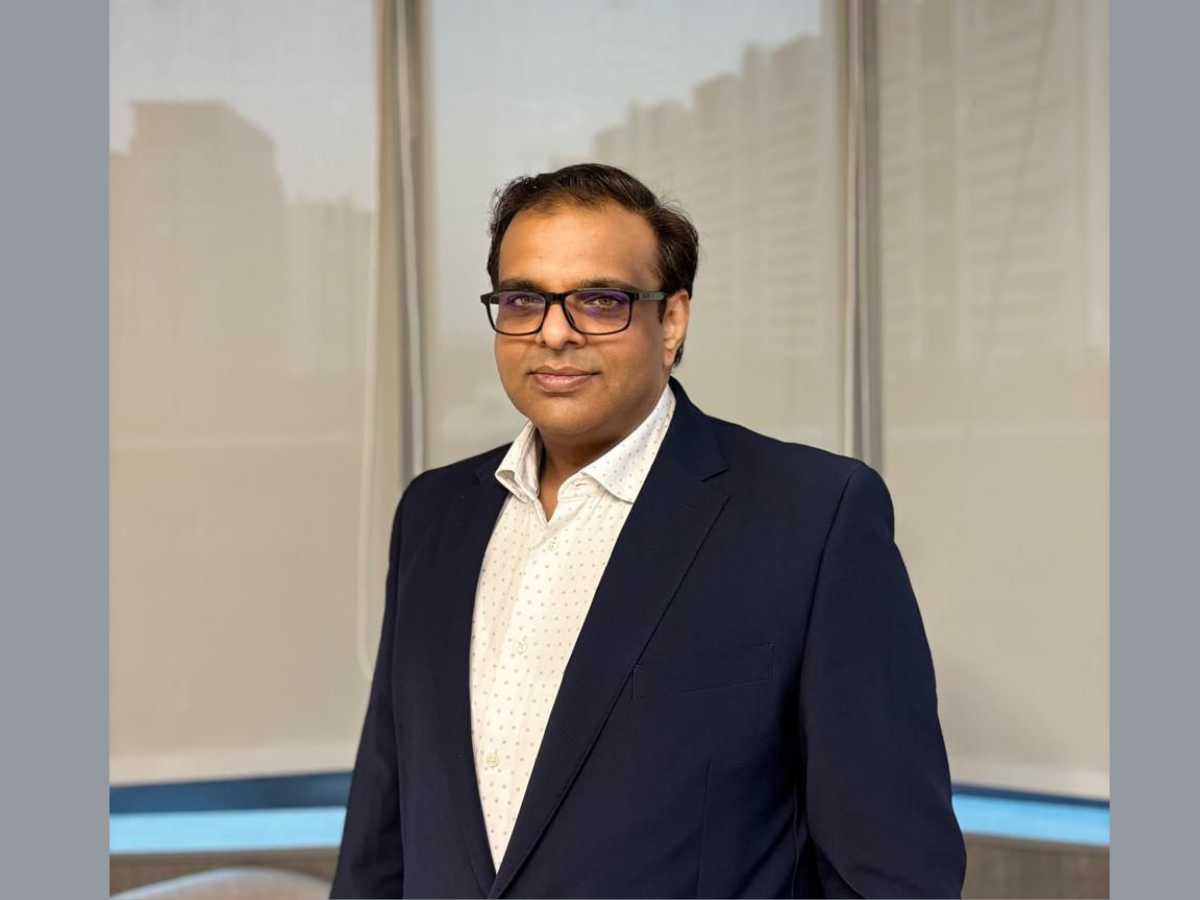
– Bhavishya Sharma, Founder and CEO of the Gurugram based Athena Executive Search & Consulting
I’ll be honest—some of the best hires I’ve made didn’t come from the best colleges. And some of the most impressive resumes I’ve seen didn’t translate into performance.
That’s when it really hit me: something fundamental has shifted in hiring.
I’ve been hiring for a while now, across different roles and contexts, and if there’s one thing that’s become very clear, it’s that degrees are no longer the strongest signal of capability. They still matter, yes. They still carry weight. But they’re no longer enough to make a decision.
There was a time when a good college name on a resume would automatically catch attention. It signalled discipline, intelligence, and a certain level of credibility. It gave candidates a starting advantage. But today, when I’m actually evaluating someone, that’s not what makes the final call for me.
What matters is simple: Can you do the job?
And more importantly, can you figure it out when you don’t know how to?
The reality is, industries are moving too fast. Especially with AI, tech, and new-age roles emerging almost every quarter, what you studied 3–4 years ago often isn’t what the job demands today. I’ve seen candidates from top-tier colleges struggle with execution, struggle with ambiguity, and struggle with ownership. At the same time, I’ve hired people with unconventional backgrounds who’ve outperformed expectations purely because they had the right skills and the hunger to learn.
That contrast is hard to ignore.
And I’m not alone in this shift. Across the board, hiring is becoming skills-first. Everyone is trying to build teams that can deliver outcomes quickly, not teams that need months of training to become functional. The focus has moved from “potential based on pedigree” to “proof based on performance.”
It’s not about where you studied anymore. It’s about what you’ve built, what you’ve solved, and what you can execute under pressure.
What’s also changed significantly is how we evaluate people. The traditional resume is losing its dominance. I find myself caring far more about portfolios, real projects, case studies, and even how someone approaches a problem in real time. The way a person thinks, structures their response, and navigates uncertainty tells you far more than a list of qualifications ever can.
With AI-enabled hiring tools coming in, this shift is only accelerating. Screening is becoming more data-backed, more outcome-focused, and, in many ways, less biased toward brand names. Candidates are being evaluated on demonstrated capability, not just claimed credentials. And that’s making hiring sharper, faster, and far more merit-driven.
At the same time, this shift is also exposing a gap that’s been there for a while. A lot of education systems are still playing catch-up. Curricula are updated periodically, but industries evolve continuously. That mismatch shows up very clearly during hiring.
I’ve interviewed graduates who’ve done everything “right” on paper—good grades, good colleges, structured paths. But when it comes to applying that knowledge in real-world scenarios, there’s hesitation. There’s a lack of exposure. There’s a gap between knowing and doing.
And that’s where the real problem lies.
The good part, though, is that this pressure is forcing change. I’m starting to see more institutions move toward practical learning. There’s a visible push toward internships, live projects, and industry collaboration. There’s more emphasis on application, not just theory.
Because honestly, that’s the only way forward.
If you ask me what really stands out in candidates today, it’s not just technical skills. Those are important, but they’re expected. What truly differentiates people is adaptability—how quickly they can learn something new, how willing they are to unlearn outdated approaches, and how effectively they can apply knowledge in unfamiliar situations.
It’s also the softer, often overlooked aspects: communication, ownership, resilience, and the ability to work in ambiguity without constant direction. These are the traits that consistently show up in high performers.
Another reality we can’t ignore is that the shelf life of skills is shrinking. What you know today might not be relevant a few years down the line. So the real advantage is not just having skills—it’s having the ability to continuously build and evolve them.
That’s also why careers are no longer linear. People are moving across roles, industries, and functions far more fluidly than before. And hiring has to adapt to that. We’re no longer hiring for static roles—we’re hiring for dynamic capability.
Now, coming to degrees—they’re not irrelevant. They still play an important role. They help build foundational thinking. They shape how you approach problems. And yes, pedigree institutions do carry a certain reputation and signalling value.
But if I’m being completely honest, when it comes down to making a hiring decision, that’s not what closes it for me.
It might open the door. But it doesn’t seal the deal.
At the end of the day, it boils down to one thing: competency.
What can you actually do when it matters? How do you perform when there’s no structure? How do you respond when things don’t go as planned?
That’s the filter now.
And from everything I’ve seen, that’s exactly where the future of hiring is headed.
Also Read: How the LMS is Evolving as AI Redefines Education









Add comment