






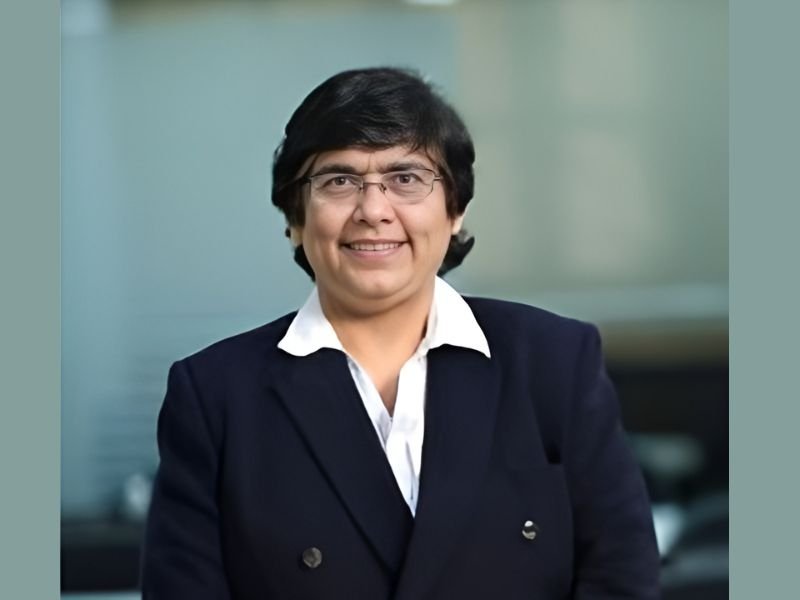
Education in 2026: modern education is unlocking every student’s potential
– Sangeeta Shahani, Trustee, Vivekanand Education Society (VES)
International Education Day 2026 offers an inspiring opportunity to celebrate how education has evolved into one of the most powerful enablers of human progress. Today, education stands at a remarkable intersection of innovation, inclusion, and purpose. Modern learning ecosystems are not only imparting knowledge but also unlocking the unique potential within every student—empowering them to learn with confidence, think creatively, and contribute meaningfully to society.
Education in 2026 is more aspirational, inclusive, and deeply transformative.
A Student-Centric Era of Learning
One of the most defining features of modern education is its unwavering focus on the learner. Classrooms today are vibrant spaces that recognize individual strengths, interests, and learning styles. Personalized learning pathways, flexible curricula, and interactive teaching methodologies ensure that each student progresses at their own pace while remaining deeply engaged.
By placing students at the heart of the educational experience, institutions are nurturing curiosity, independence, and a lifelong love for learning. Every learner is encouraged to explore their interests, discover their abilities, and build confidence in their own voice.
Learning That Builds Skills for Life
Education in 2026 is designed to prepare students not just for careers, but for life. Alongside academic excellence, institutions are consciously developing essential life skills such as critical thinking, collaboration, adaptability, and leadership.
Experiential learning, project-based assignments, and real-world applications help students translate theory into action. These approaches encourage problem-solving, creativity, and teamwork—skills that are invaluable across professions and life experiences. Students emerge as agile thinkers, capable of navigating complexity with clarity and confidence.
Technology Enhancing the Learning Experience
Technology has become a powerful ally in modern education, enhancing access, engagement, and effectiveness. Digital platforms, virtual classrooms, and immersive learning tools enable students to learn anytime, anywhere, and at their own pace.
In 2026, technology is seamlessly integrated into education to enrich learning outcomes. It facilitates collaboration across geographies, provides access to global knowledge resources, and supports educators in delivering more personalized instruction. Most importantly, it empowers students to take ownership of their learning journeys while remaining connected to mentors and peers.
Holistic Education for Well-Rounded Individuals
Modern education recognizes that true success extends beyond academic achievement. Institutions today are deeply committed to holistic development, nurturing intellectual, emotional, physical, and ethical growth.
Students are encouraged to participate in sports, arts, cultural activities, community engagement, and leadership initiatives. Mindfulness, well-being programs, and value-based education help learners build resilience, empathy, and self-awareness. This balanced approach ensures that students grow into confident individuals with strong character and a sense of purpose.
Strong Alignment with Career Readiness
Education in 2026 is closely aligned with real-world opportunities. Institutions are fostering strong industry connections to ensure that learning remains relevant, practical, and future-ready. Internships, mentorships, industry interactions, and experiential projects provide students with valuable exposure to professional environments.
This integration enables students to make informed career choices and develop a clear sense of direction. Equally important, education is inspiring entrepreneurial thinking—encouraging students to innovate, lead, and create opportunities that drive economic and social progress.
Inclusive Education That Empowers Every Learner
A defining strength of modern education is its commitment to inclusivity and accessibility. Institutions are creating environments where students from diverse backgrounds can thrive and succeed.
Scholarships, academic support systems, flexible learning models, and inclusive pedagogies ensure that every learner has access to quality education. In 2026, education is truly becoming a great equalizer—opening doors, expanding aspirations, and empowering students to achieve their fullest potential.
Global Exposure and Cultural Awareness
As the world becomes increasingly interconnected, education is fostering a strong sense of global citizenship. International collaborations, exchange programs, and multicultural classrooms are enriching the learning experience by exposing students to diverse perspectives and cultures.
Students develop a global mindset, learning to appreciate diversity, communicate across cultures, and engage responsibly with global challenges. This exposure prepares them to thrive in international environments and contribute positively to a shared global future.
Educators as Mentors and Leaders
At the heart of this educational transformation are dedicated educators who inspire, guide, and mentor students. In 2026, teachers are facilitators of learning, encouraging inquiry, innovation, and independent thinking.
Continuous professional development and collaborative teaching practices enable educators to stay aligned with evolving pedagogies and technologies. Their role extends beyond instruction to mentorship—shaping values, nurturing confidence, and unlocking potential in every learner.
Education as a Lifelong Companion
Modern education is instilling a mindset of lifelong learning. Students are encouraged to continuously upskill, adapt, and grow in an ever-changing world. Educational institutions are evolving into lifelong learning hubs, supporting learners at every stage of their personal and professional journeys.
This approach ensures that education remains relevant, empowering individuals to stay resilient, curious, and future-ready.
Also Read: AI, Education Reform and the Seven Human Skills India Needs by 2026









One comment
kamir bouchareb st
thanks for this information