






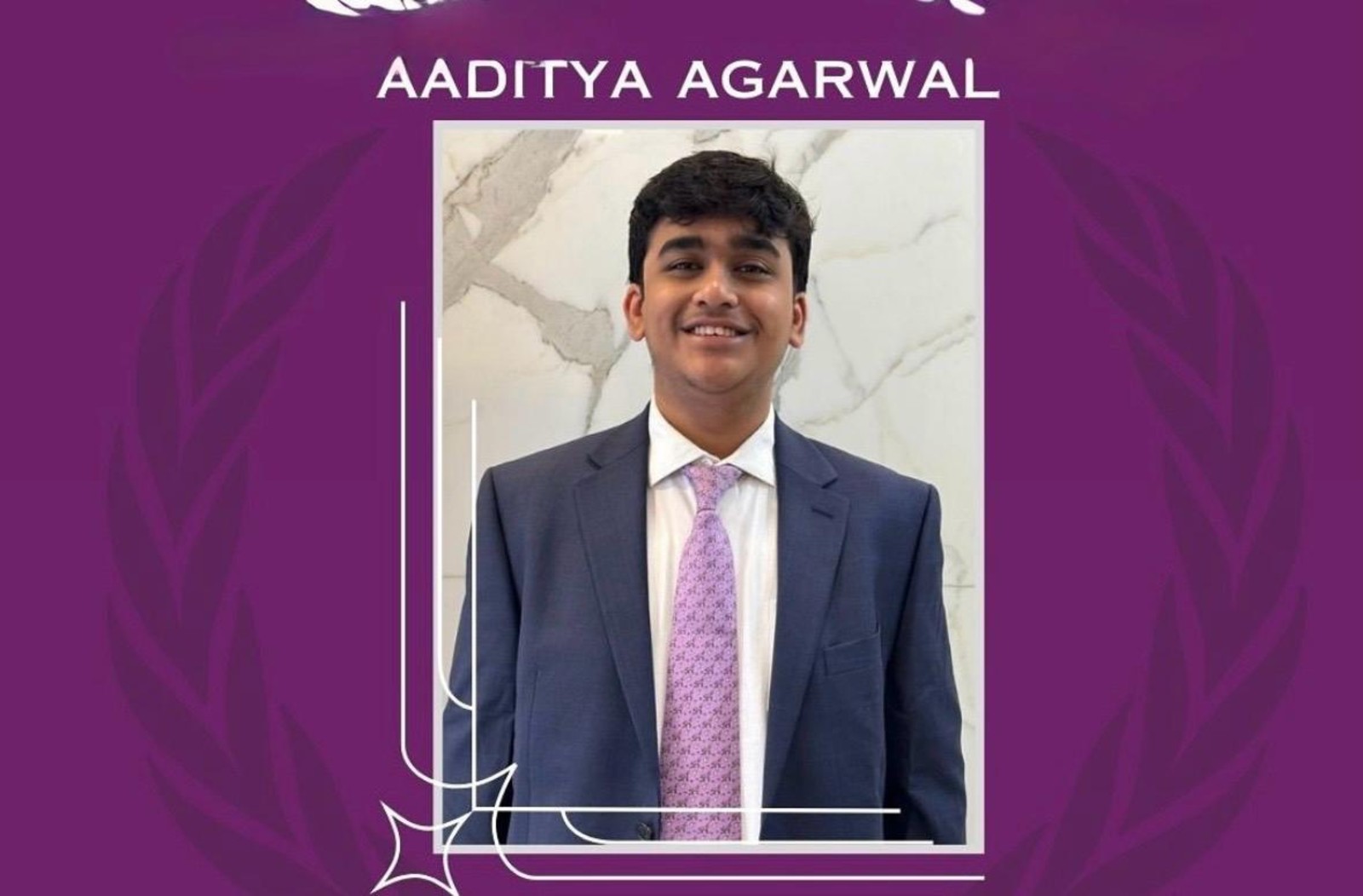
Making Global Education Affordable and Building a Stronger Nation
– Aaditya Agarwal
India stands at a pivotal moment in its educational history. The establishment of five prestigious foreign universities — the University of Aberdeen, University of York, University of Western Australia, Illinois Institute of Technology, and Istituto Europeo di Design — in Mumbai’s developing EduCity signals a profound transformation in the country’s higher education landscape, one that could fundamentally redefine access for millions of Indian students.
For decades, middle-class Indian families have taken on significant debt and made immense sacrifices to send their children abroad to pursue quality higher education. With costs ranging from Rs. 60 lakh to Rs. 1 crore for a complete degree, global education has remained firmly out of reach for all but the affluent, deepening an often overlooked inequality.
The arrival of Foreign Higher Education Institutions (FHEIs) challenges this old order. Students can now earn internationally recognised degrees at an estimated one-fourth of the cost—without the burden of visa hurdles, foreign exchange volatility, or the emotional strain of prolonged separation from family. At present, India’s higher education Gross Enrolment Ratio (GER) remains below 30 percent, indicating that more than 70 percent of eligible young Indians do not pursue higher studies. Financial barriers are among the most significant reasons for this gap.
The democratisation of access through FHEI branch campuses is therefore crucial to India’s development. By making quality education more affordable, these institutions can unlock the talent of millions of students from middle- and lower-income backgrounds who would otherwise lack such opportunities. The socio-economic impact extends far beyond individual success.
Each year, more than 700,000 Indian students study abroad, leading to an estimated $60 billion in foreign exchange outflows. By bringing global education home, India can retain this financial capital while attracting international investment into its educational infrastructure. Moreover, research suggests that every additional year of schooling increases national GDP growth by an average of 0.37 percent. Higher education, in particular, strengthens specialisation and employability.
The University of York’s focus on artificial intelligence and cybersecurity, Illinois Tech’s engineering programmes, and IED’s design expertise can help build the skilled workforce India’s expanding economy requires. These campuses also have the potential to foster research and development ecosystems, encourage collaboration with Indian institutions, and raise domestic academic standards.
However, expanding opportunity alone is not enough; awareness and government support are equally essential. The current education loan framework forces the “missing middle” into an impossible choice: Public Sector Banks offer relatively affordable but limited and slow financing, while NBFCs provide faster access at significantly higher costs and restrictive eligibility criteria. India’s education financing model urgently needs reform. Government schemes such as the Central Sector Interest Subsidy and the Credit Guarantee Fund must broaden their scope to ensure that students from economically weaker sections can access quality institutions and break intergenerational cycles of disadvantage.
India stands at an inflection point. The question is what kind of society it seeks to build. If it is one where a student’s potential—not their parents’ income—determines their future, then inclusive reform of the educational framework is essential. The presence of foreign universities in Mumbai represents more than infrastructure growth or foreign investment; it offers a generational opportunity for young Indians to learn, contribute, and lead the nation’s development.
Aaditya Agarwal is a Mumbai-based student who has recently completed his schooling from The Cathedral & John Connon School and is currently navigating the higher education decision-making process, particularly the choice between studying in India versus abroad.
Also read: The Study Abroad Reset: What Changed in 2025










Add comment