






The maths mistakes we teach children to avoid – and why they may need to make more of them
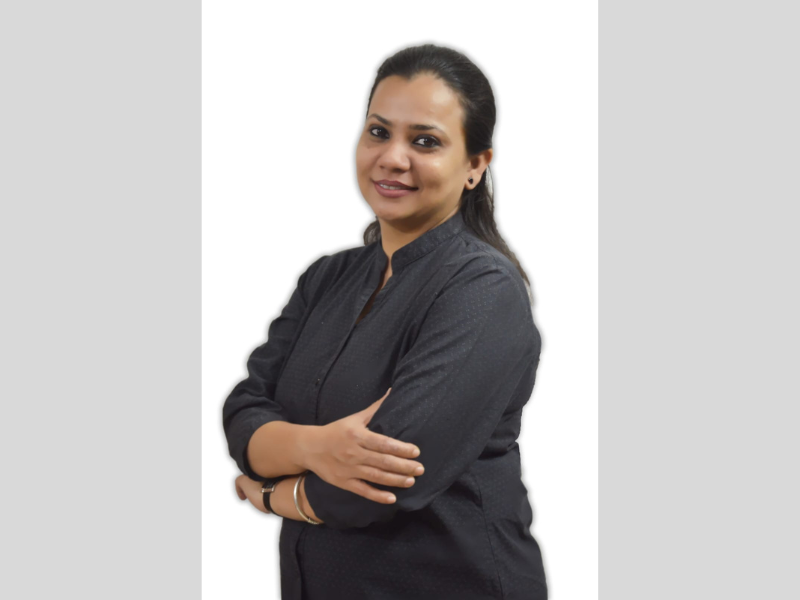
– Anuja Ojha Mojumder, Cuemath teacher
We spend a lot of energy teaching children to avoid mistakes. What we do not spend enough time on is teaching them which mistakes are actually useful.
Some mistakes genuinely need to be corrected quickly. A child who consistently miscounts because they have not understood place value needs support before that misunderstanding becomes a habit. However, many of the things we train children to avoid are not really mistakes at all. They are simply the visible, untidy middle stage of learning. Erasing that stage does not make a child better at maths; it may simply make them better at hiding the fact that they are still figuring it out.
As teachers, we need to look beyond whether an answer is right or wrong. A child’s mistake can tell us how they are thinking, what they understand and where they need help. The challenge is knowing when to correct an error and when to let a child work through it.
Here are six things children are often told are “wrong” in maths but which may actually be useful steps in the learning process.
- Remembering the steps instead of asking why they work: Children are often taught rules such as “cross-multiply”, “flip and multiply” and “carry the one” without being shown why they work. They may follow a procedure perfectly until a question is worded differently or a new topic builds on it. Then, they become stuck because they have a process but no understanding to fall back on. The solution is simple: ask children to explain why a rule works before asking them to use it repeatedly.
- Getting an answer wrong in front of the whole class: In a classroom of 30 children, saying one wrong answer aloud can make a child feel as though everyone has noticed. They may then stop answering because being wrong publicly feels worse than remaining silent. This teaches them that mistakes are events to be avoided. Creating one-to-one moments in which a wrong answer carries no embarrassment—whether it is shared privately with a tutor or written down before being discussed—gives children the space to think aloud without fear.
- Not moving at the same pace as everyone else: Maths builds in layers. A child who has not understood fractions may struggle when later concepts, including algebra, build on that foundation. Yet a classroom moving at a fixed pace leaves little room for a child who needs more time with a particular idea. This can make needing additional time feel like failure when it may simply mean that the class moved on too soon. A personalised one-to-one assessment before progressing can help teachers distinguish between a child who needs more time and one who is ready to move ahead.
- Deciding “I can’t do maths” before even trying: A child struggles a few times and gradually begins putting in less effort because they have already decided how the story will end. Maths starts to feel like a subject determined by natural ability, making effort seem pointless. Encouragement alone may not change this belief. Instead, give the child a problem they can solve, allow them to experience success and then gradually increase the level of difficulty. Evidence can be more powerful than reassurance.
- Learning maths only as a subject rather than seeing it in everyday life: To many children, maths is simply a collection of numbers and rules on a page. If they cannot see how it connects to their lives, it can feel pointless and boring. Teachers can begin with things children already understand—money, cooking, games, shopping, time or patterns—before introducing formulas. When children realise that maths is all around them, the subject becomes less abstract and often much less intimidating.
- Sticking to the only method shown in class: A child who reaches the correct answer using a different method may sometimes be marked down because their approach does not match the textbook. However, if the reasoning is sound, taking a different route is not a mistake. It can be evidence that the child understands the underlying idea well enough to think independently. Teachers should examine how a child arrived at an answer and recognise a different but valid approach as evidence of understanding rather than something that needs to be corrected.
The goal is not to let every mistake go uncorrected. Some misunderstandings need to be addressed before they become foundations for future learning. However, if we correct every wrong answer, unusual method and moment of hesitation, we risk teaching children something far more damaging: that people who are good at maths never make mistakes. They do.
Perhaps the question we should ask is: “What is this mistake telling us about this child’s learning?”
Also Read: Beyond Chatbots: AI Learning Systems Are the Next Evolution of Education











2 comments
Neelam Waldia
I have struggled with maths my wholem childhood, I can relate so much to this. the mistakes my teachers did with me I learnt from them and today maths is my daughter’s favourite subject. thanks anuja for wording it so beautifully and simply.
Anuja Mojumder
thank you Ms Neelam.