






The Role of International Schools in Developing Globally Minded People
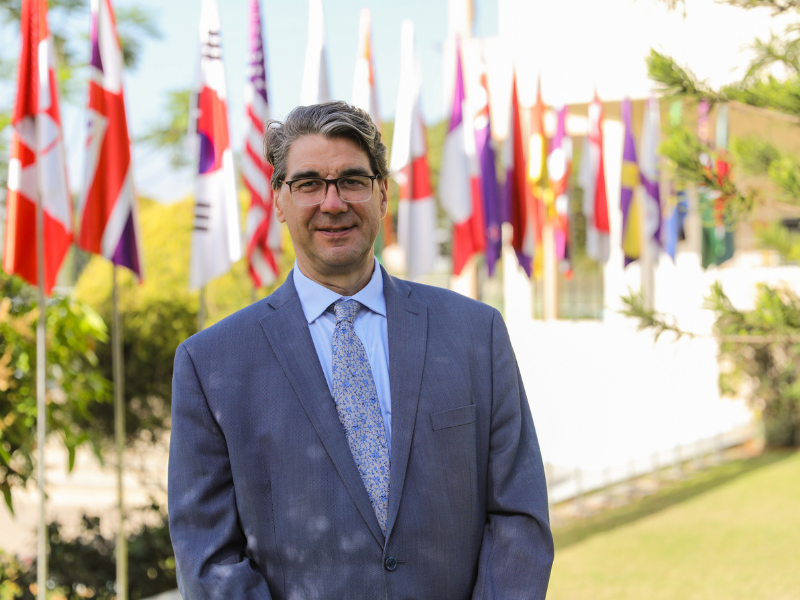
– Dr. Ted Mockrish, Head of School, Canadian International School, Bangalore
In today’s interconnected world, education extends far beyond academic achievement. It encompasses the development of young people who can thrive in diverse environments, navigate complex global challenges, and contribute meaningfully to society. International schools play a vital role in shaping globally minded individuals by fostering cultural awareness, critical thinking capabilities, and the ability to collaborate across differences. This approach to learning focuses not merely on knowledge acquisition but on developing conceptual understanding that cultivates adaptable mindsets prepared for constant change. Through comprehensive educational experiences, students develop the confidence and competence to contribute positively to the varied environments they will encounter throughout their lives.
Understanding Global-Mindedness
Global-mindedness represents the recognition that local actions and global outcomes are intrinsically connected. It encompasses our shared responsibility to address worldwide challenges that manifest in our own communities, from environmental sustainability to social equity. Students develop global-mindedness by examining how different cultures and perspectives approach common challenges and how they themselves can effect positive change in their immediate surroundings.
For young learners, this means becoming informed, empathetic, and empowered to make a difference within and beyond their immediate community. This dual awareness of local and global contexts encourages students to understand how individual actions ripple outward, creating impacts far beyond their initial scope. Ultimately, a global mindset builds a sense of responsibility that transcends personal achievement and contributes to the betterment of society as a whole.
How International Schools Foster Global-Mindedness
A Diverse Cultural Environment
International schools bring together students from multiple nationalities, languages, and cultural traditions under one roof. Daily interactions with diverse peer groups foster open-mindedness, empathy, and respect while shaping worldviews. These consistent cultural exchanges replace stereotypes with genuine understanding and build authentic mutual respect.
Exposure to perspectives beyond one’s own cultural framework allows students to form friendships that cross borders and continents, broadening their understanding of human experience. In schools where dozens of nationalities converge, classroom discussions naturally incorporate multiple perspectives and approaches, enriching learning experiences for students and educators alike. This organic diversity creates an environment where cultural intelligence develops not through abstract lessons but through lived experience.
Globally Relevant Curricula
International curricula, such as the International Baccalaureate Diploma Programme, emphasize critical thinking, inquiry-based learning, and a comprehensive understanding of global issues. However, curriculum selection alone does not guarantee the development of global-mindedness or essential competencies. Any curriculum, when implemented through traditional rote-based, product-oriented approaches, fails to foster these crucial skills and awareness.
Effective implementation requires a clear understanding of the learning process to achieve meaningful impact on student development. Encouraging students to focus on understanding concepts rather than memorizing facts for assessment creates opportunities for retention, transfer, and practical application across interconnected disciplines.
Creating opportunities for students to develop real-world, future-ready skills prepares them not only for competitive university admissions but also for professional environments where adaptability and creativity are paramount. By engaging with globally relevant themes, students develop the ability to think beyond borders, build empathy and compassion, and inspire others—essential traits for productive participation in society. This approach transforms education from a transactional exchange of information into a transformational experience that shapes how students see themselves and their place in the world.
Multilingual Opportunities
Language learning serves as a gateway to cultural understanding and intercultural competence. Comprehensive world language programs provide students with advantages in global connection and collaboration. Proficiency in multiple languages enhances career opportunities while strengthening cognitive abilities, including problem-solving, memory, and multitasking.
Multilingualism also encourages deeper engagement with literature, art, and traditions from different parts of the world, fostering appreciation for human creativity across cultures. Beyond practical communication skills, learning languages develops humility and patience as students navigate the challenges of expressing themselves in unfamiliar linguistic systems.
Technology and Global Collaboration
Technology integration in education must be balanced and developmentally appropriate. When used thoughtfully, technology serves as a powerful tool for learning, complementing traditional resources like notebooks and textbooks. Digital platforms with an educational focus enable students to collaborate on joint projects with peers in other countries, participate in virtual cultural exchanges, and access global resources that transcend geographical barriers.
This exposure to different approaches and viewpoints mirrors the realities of modern global workplaces while preparing students for distributed, international collaboration. Additionally, these experiences cultivate digital citizenship, digital literacy, and adaptability—competencies that are increasingly essential in contemporary society.
Service Learning and Community Engagement
Inspiring students to engage with their surrounding communities and positively impact the lives of others creates lasting effects that extend far beyond individual service experiences. International schools that provide opportunities for service-based activities with both local and global dimensions develop empathy and leadership skills in their students.
From environmental initiatives to humanitarian projects, sustained participation in authentic service programs teaches that meaningful change often begins at home. These experiences move young minds from a charity mindset to sustained contribution, as they witness their capacity to positively affect the world around them. This shift from sympathy to empathy and empowerment represents a critical development in global-mindedness.
Why This Matters for the Future
In a world shaped by rapid technological advancement, political uncertainty, environmental challenges, and shifting economic norms, the ability to think globally while acting locally has become invaluable. Graduates of international schools who have experienced genuine diversity are uniquely positioned to lead with cultural intelligence and strong ethical foundations.
Internalizing these essential human qualities within the supportive environment of their educational years provides students with advantages in higher education and professional contexts. Most importantly, daily experiences with peers from different cultural, linguistic, and socioeconomic backgrounds equip young adults to contribute meaningfully toward building a more inclusive and sustainable world.
The challenges facing humanity—climate change, social inequality, technological disruption, and political polarization—require leaders who can bridge divides, synthesize diverse perspectives, and inspire collective action. International schools, at their best, serve as training grounds for such leadership, providing students with both the skills and the mindset necessary to navigate complexity with confidence and compassion.
Final Thoughts
International schools function as more than academic institutions; they serve as launching platforms for future leaders, innovators, and change-makers who understand the world as interconnected communities rather than isolated nations. By fostering cultural awareness, multilingualism, empathy, critical thinking, and a commitment to shared human values, these educational environments shape the global citizens our world increasingly needs.
Every initiative, lesson, and interaction within these schools plants seeds for a better tomorrow, creating ripple effects that extend far beyond graduation and influence communities worldwide. The true measure of educational success lies not merely in academic achievement but in the positive impact graduates make as they navigate and shape an ever-changing global landscape.
Developing globally minded individuals represents both a necessity and an opportunity. As our world becomes more interconnected and interdependent, the qualities cultivated in international schools—empathy, adaptability, cultural intelligence, and a collaborative spirit—become not merely advantageous but essential for meaningful participation in society. Education that prioritizes these outcomes alongside academic excellence prepares students not just for careers, but for lives of purpose, contribution, and positive impact.
Also Read: Art Education Moves to the Centre: What CBSE’s New Direction Means for Schools








Add comment