






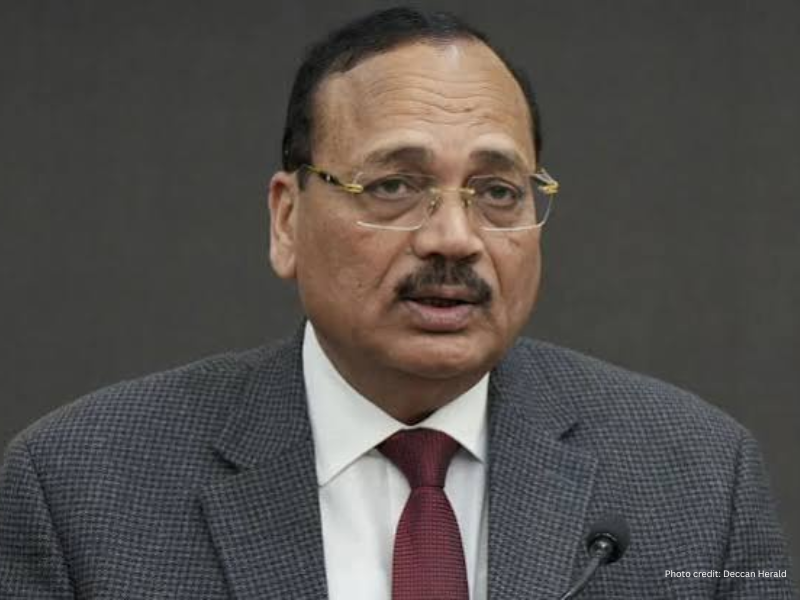
CJI Surya Kant says he never accepted NALSAR convocation invitation
Chief Justice of India Surya Kant has said that he never accepted an invitation to attend the upcoming convocation of the National Academy of Legal Studies and Research (NALSAR), Hyderabad, as its chief guest. Amid growing opposition from students to his proposed participation, he clarified that there was no question of him attending the event.
The controversy emerged after more than 400 NALSAR students reportedly opposed the university’s decision to invite the CJI. The students cited concerns over his remarks during Supreme Court proceedings concerning alleged police action against student protesters in Delhi in July. They maintained that the convocation should uphold constitutional principles, including the right to peaceful dissent.
The remarks that triggered the NALSAR students’ opposition were made during a recent Supreme Court hearing concerning alleged police excesses against participants in the “Chalo Sansad” protest called by the Cockroach Janata Party at Jantar Mantar in Delhi. According to reports, when a lawyer sought to show the court video footage purportedly documenting police action against protesters, CJI Surya Kant reportedly said that the bench was “not interested in watching videos” and did not have time to view them. He also told the lawyer not to “waste our time” and “waste your time”.
The issue escalated after the Bar Council of India briefly directed state bar councils not to enrol NALSAR’s 2026 graduates as advocates and sought an inquiry into the student protests. The decision was withdrawn within hours following criticism. The Supreme Court later emphasised that students have a democratic right to protest and treated the matter as a dialogue between the CJI and the students rather than as a matter requiring punitive action.
NALSAR has traditionally invited the sitting Chief Justice of India to address its convocation. The latest controversy followed student concerns over CJI Surya Kant’s conduct and observations during proceedings related to protests in Delhi. The students’ opposition to his proposed appearance subsequently developed into a broader debate over academic freedom, the right to dissent and the relationship between law students and constitutional institutions. The BCI’s brief intervention further escalated the dispute before the matter was de-escalated following the withdrawal of its directive and the Supreme Court’s observations on students’ right to protest.
Also Read: NTA announces September retest for three UGC-NET papers










Add comment